
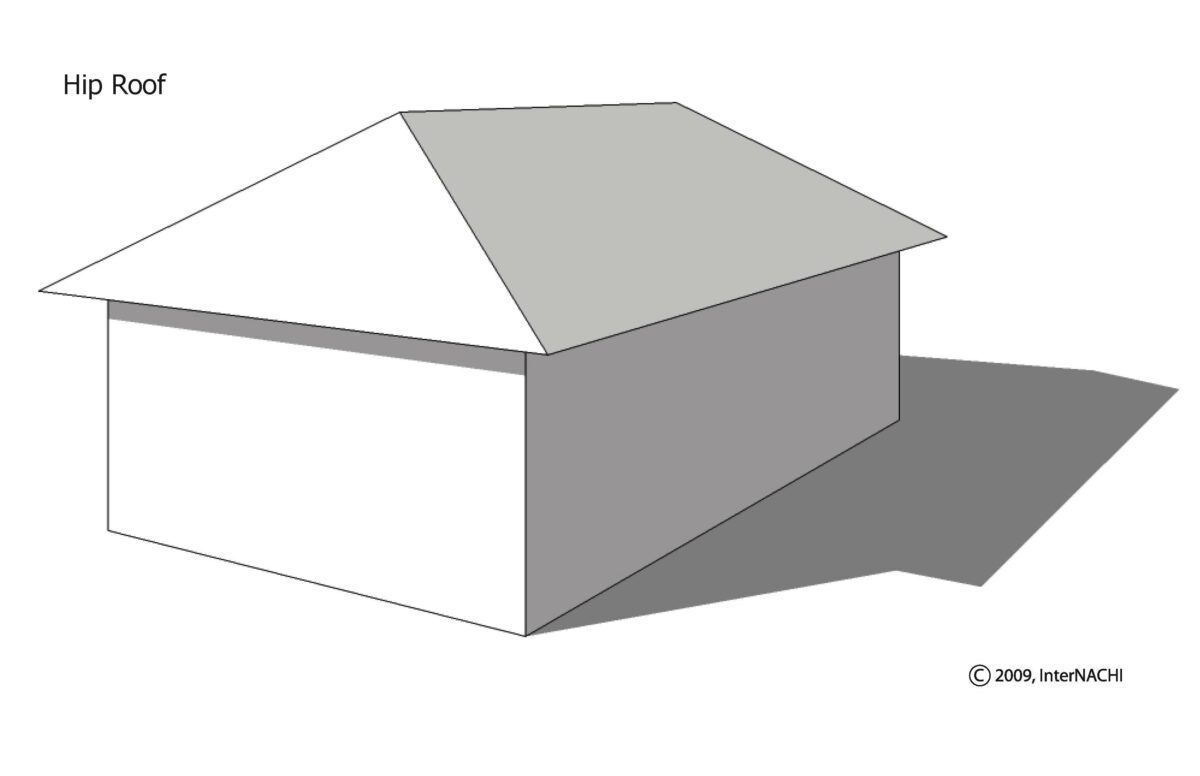
What is a Hip Roof?

180 Contractors • May 12, 2021

Pros and Cons of Hip Roofs

Your search for a roof, as a newbie homeowner is most likely to start from a Hip Roof. These are very popular in the United States, second only to its significant alternative Gable roofs. To choose the roof that suits your needs best and also provides you protection from all kinds of weather changes specific to the area that you live in; you must first have a thorough idea of what Hip roofs are and what advantages and disadvantages it entails. Read on to know more.


What is a Hip Roof? 

The basic structure of a Hip roof includes two pairs of slopes that slant downwards at a steady angle. These roofs are very famous in North America for its durability, sturdiness and also, easy installation processes. Hip roofs are generally rectangular in shape and do not have any gable ends, unlike Gable roofs. Instead, these roofs have a “hip” of roof that is the external angle at which the slopes meet. Hip roofs may come around as expensive or costlier than Gable roofs which is primarily due to the slightly complex structure of a hip roof. 


Although hip roofs have been in existence since the 50’s, its popularity has not diminished with the passing decades. They are still as much relevant as they were some decades back. There are 5 major types of hip roofs that are available and these include- simple and original hip roof, half-hip roof, cross hip roof, Dutch gable hip and pyramid hip roof. 


Pros of Hip Roofs: 

  • Visually Appealing- Hip roofs are very aesthetic in nature and can help to add in some extra dollars if you ever decide to sell your property in the future. 
  • Additional space- If you go ahead with a hip roof, you would be entitled to an additional attic space in the upper story of your house and can also incorporate a rooftop window for sunlight. 
  • Durability- One of the key advantages of a hip roof is its sturdiness and ability to stay stable even without a lot of support. 
  • Good weather protection- Hip roofs are best for regions that face a lot of high-speed winds and heavy snow loads during the winter months. The slope of the roof enables snow and rainwater to slide-off. 
  • Energy efficient- Hip roofs work well in warmer climates. The four-sided slopes help shield the house from sun rays, keeping it cool during the summer months. 


Cons of Hip Roofs: 

  • Expensive- Hip roofs are costlier than Gable roofs. Because of its structure, it needs extra days of labor and also higher maintenance costs. These factors can make Hip roofs seem like an expensive investment on the part of local homeowners. 
  • Prone to Leaks- Hip roofs work well for water drainage but it can still lead to water leaks. If there is any defect or issue at the time of installation, it can lead to water seeping in from the roof. 


Even though Hip Roofs are more expensive than Gable roofs, you must take into consideration that these roofs can last for 50 years if proper maintenance is done. Consider all the advantages and drawbacks of Hip roofs thoroughly before choosing the right one for your dream house. 

See the most recently completed and surveyed customer feedback including some roof replacement projects.

GET A FREE QUOTE

Share this article

Recent Posts

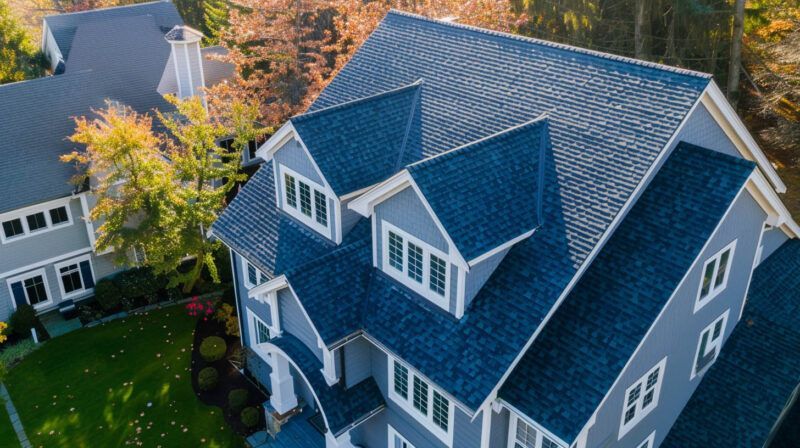
Aerial view of a large blue-gray house with dormer windows and a landscaped yard in autumn
By 180 Contractors May 14, 2026
Your roof works silently year after year, shielding your home from rain, wind, sun, and snow. But like every part of your home, it doesn’t last forever. The key is knowing when repair is no longer enough—and a full roof replacement is the smarter, safer move. For homeowners in Bloomfield Hills, MI, where intense season
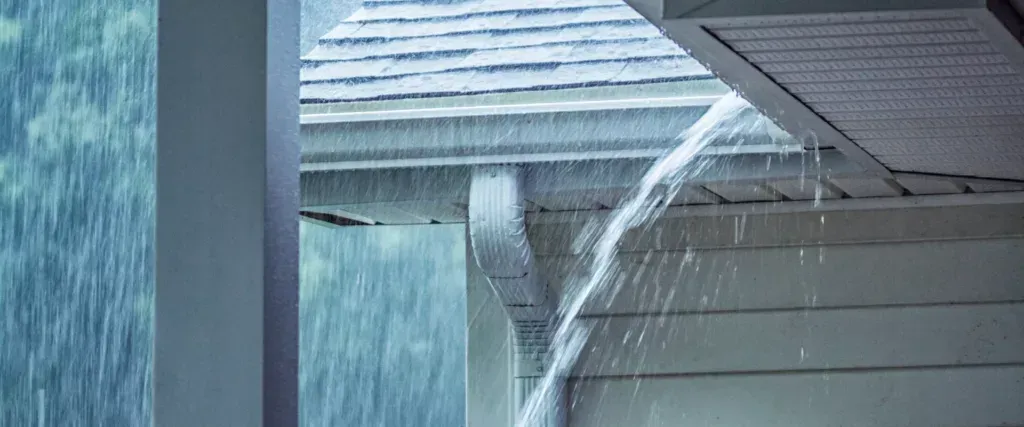
Rainwater pouring from a house roof and gutter during a storm
By 180 Contractors April 13, 2026
Michigan weather can be tough on homes, especially when it comes to your roof. From heavy snow in the winter to strong thunderstorms in the summer, each season brings conditions that can wear down roofing materials over time. Knowing how these storms affect your roof can help you catch problems early and avoid more ser
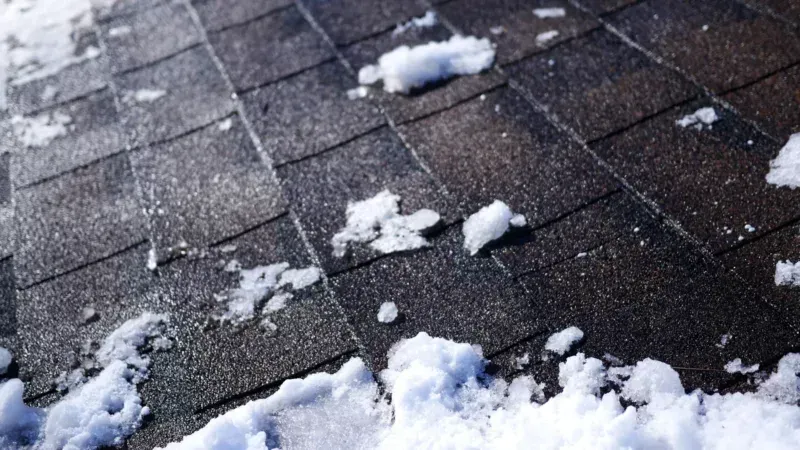
Snow piled on a dark shingled roof, with scattered patches of snow across the surface.
By 180 Contractors March 3, 2026
If you’ve lived through a Michigan winter, you know your roof takes a beating. Between heavy snowfall, freezing rain, fluctuating temperatures, and strong winds, winter weather can quietly wear down even a well-built roofing system. By the time spring arrives, many homeowners are surprised to learn that damage has alre