In the intricate world of home construction, the term “roof decking” holds a pivotal yet often overlooked position. This foundational layer, hidden beneath the outermost roofing materials, is crucial for the structural integrity and longevity of the roof. Roof decking, also known as roof sheathing, bridges the gap between the structural components of a roof and its waterproofing layers, playing a key role in the overall stability and durability of the roofing system.
Understanding Roof Decking: The Backbone of Your Roof
Roof decking is the unsung hero of roofing systems, providing a solid base that supports the weight of all the layers above it, including shingles, insulation, and waterproofing materials. It’s the layer that connects the roof’s structural framework to the elements that we see and rely on for protection from the weather. The importance of quality roof decking cannot be overstated, as it directly impacts the roof’s ability to withstand environmental stresses and carry the load of snow, rain, and maintenance activities.
The Spectrum of Roof Decking Materials
The choice of material for roof decking is critical and varies based on factors such as weight capacity, weather conditions, and the specific requirements of the roofing system. Let’s explore the most common materials used in roof decking:
Plywood and OSB Sheathing: The Modern Choices
Plywood and OSB (Oriented Strand Board) are the frontrunners in roof decking materials for new home construction. Both are engineered wood products, but they differ in composition and performance:
- Plywood: Constructed from multiple layers of wood veneers bonded together, plywood is renowned for its strength and resistance to expansion, contraction, and moisture. Its layered structure makes it less susceptible to warping, providing a stable and durable base for roofing materials.
- OSB:
Made from compressed layers of wood strands coated with adhesive, OSB is a cost-effective alternative to plywood. It offers excellent moisture resistance and strength, making it the most popular choice for roof decking in new constructions. Despite being slightly less durable than plywood, OSB’s uniformity and ease of installation make it a preferred option for many builders.
Plank Sheathing: The Traditional Approach
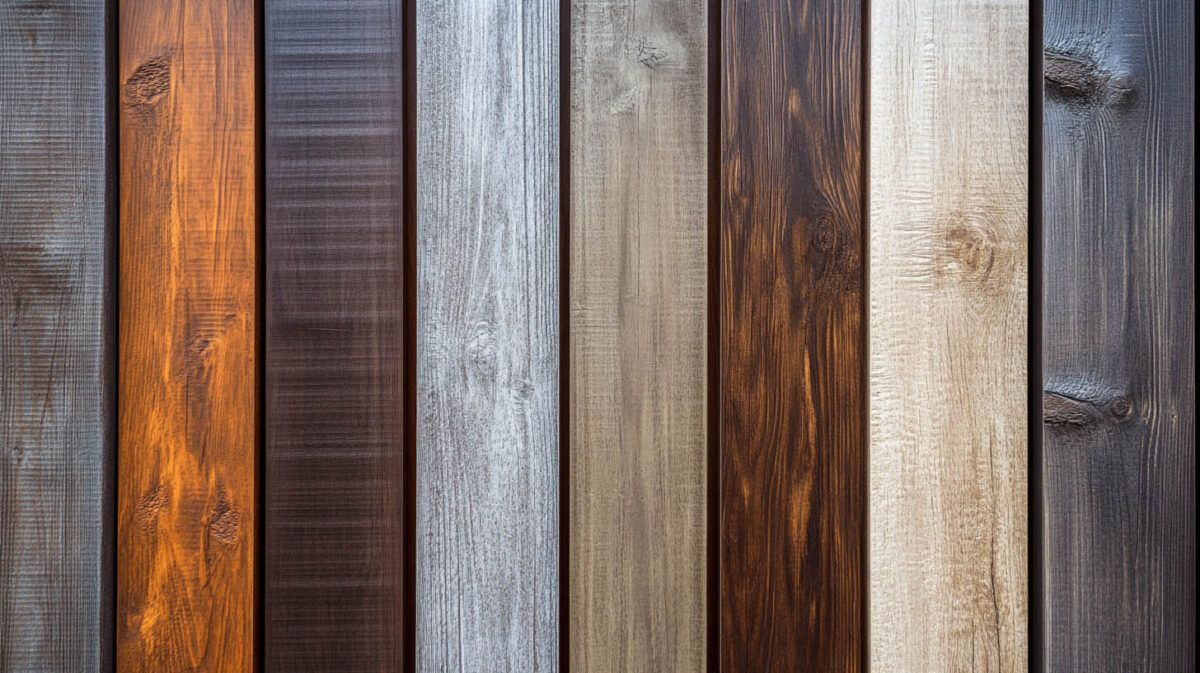
Before the advent of engineered wood products, plank sheathing was the standard for roof decking. This method involves laying down solid wooden boards, side by side, to create the deck. While plank sheathing allows for easy repairs and has a certain aesthetic appeal, it is prone to issues such as warping, splitting, and leaking over time. Today, plank sheathing is less common in new constructions but may still be found in older homes or in applications where traditional aesthetics are desired.
Plywood vs. OSB: A Detailed Comparison
The debate between plywood and OSB sheathing is ongoing, with each material offering distinct advantages:
- Plywood is valued for its strength and resistance to moisture-related issues. Its ability to withstand warping and its overall durability make it an excellent choice for areas prone to extreme weather conditions.
- OSB stands out for its cost-effectiveness and environmental sustainability. While it may expand more than plywood when exposed to moisture, modern treatments and manufacturing processes have significantly improved its performance and resilience.
Choosing between plywood and OSB often comes down to budget, environmental considerations, and specific project requirements. Both materials, when properly installed and maintained, provide a reliable and sturdy foundation for any roofing system.
Expert Insights from 180 Contractors Roofing and Siding
At 180 Contractors Roofing and Siding, we understand the critical role that roof decking plays in the overall health and longevity of your roofing system. Our team of experts specializes in assessing, installing, and maintaining roof decking with precision and care. Whether you’re constructing a new home or replacing an old roof, we ensure that your decking material is chosen and installed to meet the highest standards of durability and performance.
The Importance of Professional Installation and Maintenance
The longevity and effectiveness of roof decking depend not only on the material chosen but also on the quality of installation and ongoing maintenance. Proper installation ensures that the decking is securely attached to the structural components of the roof, providing a stable base for the layers above. Regular inspections and maintenance are essential to identify and address any issues, such as moisture damage or structural weaknesses, before they compromise the integrity of the roofing system.
Conclusion
Roof decking is a fundamental component of any roofing system, acting as the foundation upon which all other roofing materials rely. The choice between plywood, OSB, and traditional plank sheathing depends on a variety of factors, including budget, environmental conditions, and specific project needs. Regardless of the material selected, the importance of professional installation and regular maintenance cannot be overstated. At 180 Contractors Roofing and Siding, we are committed to providing our clients with the expertise and services necessary to ensure their roof decking is of the highest quality, guaranteeing the longevity and durability of their roofing system.