Types of Flat Roofs
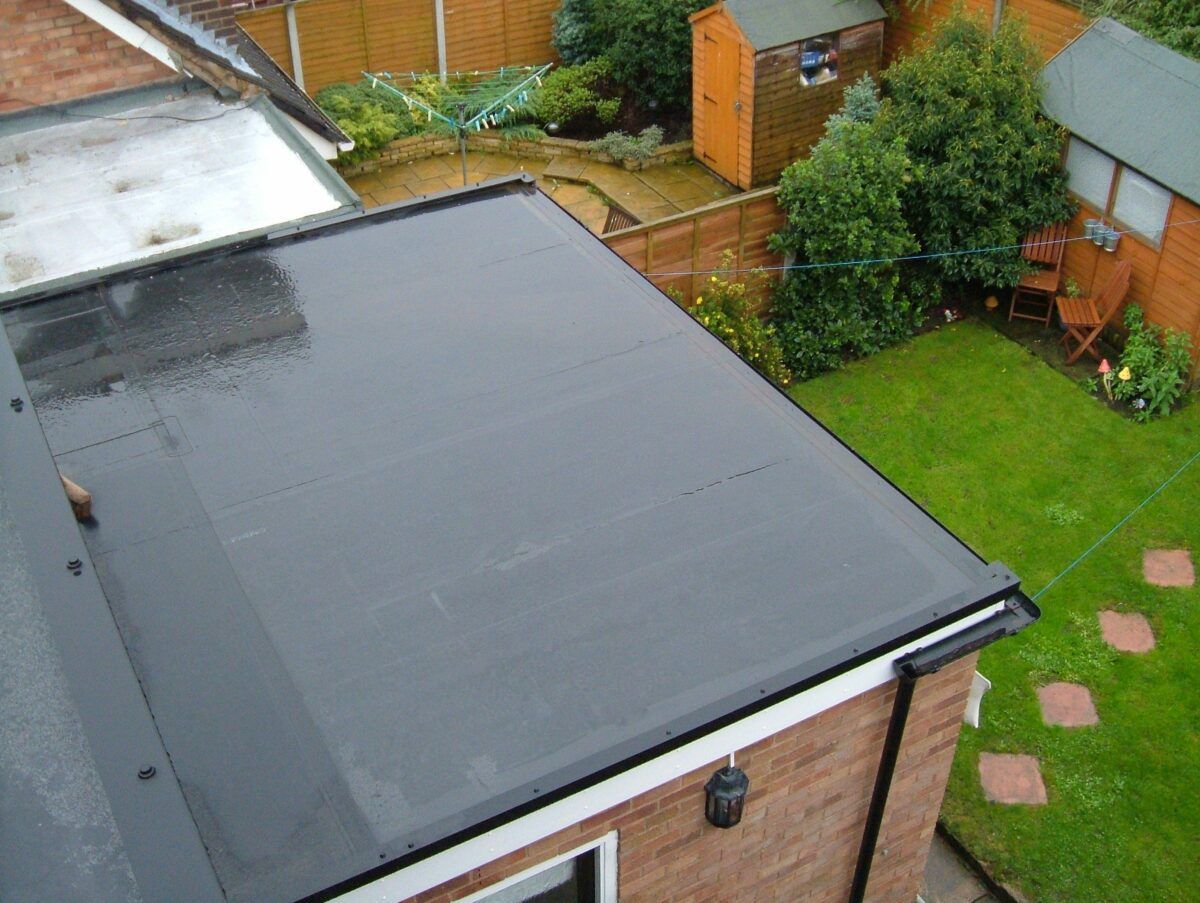
When you imagine a big marketing complex or an important company building, you’re probably thinking of a flat roof. These roofs are usually the most difficult because they do not shed much water away from the roof, resulting in higher labor costs most of the time. There are three most prominent types of flat roof that homeowners can choose from. These are Modified Bitumen Roof or MBR, Rubber Membrane Roof or EPDM and Built-up Roof or BUR. If you are not well-acquainted with these
types of roofs, then do not worry. We’re here to discuss about each of these types and also their pros and cons respectively.
Types of Flat Roofs:
Modified Bitumen Roof (MBR)
These roofs are similar to ice-and-water shield with a single ply rolled roof. MBR can be installed in different ways such as hot application with the help of hot tar, cold application with solvent based adhesive, melting two sheets together with an open flame and with peel and stick base that adheres on its own after the release tape is removed. The peel-and-stick system is the safest option amongst all of them.
Advantages of MBR include – Lower energy bills as the light-colored material helps in reflecting off heat from the roof surface. Peel-and-stick materials are such that they can be easily installed by the homeowners themselves cutting down on the cost of hiring professionals.
Disadvantages of MBR include – These roofs are neither tear-resistant nor scuff-resistant. The torch down method of application may lead to serious fire hazards and should not be opted for in a building that’s already occupied.
Rubber Membrane Roof (EPDM)
EPDM stands for Ethylene propylene diene monomer which is originally a rubber product. These are durable flat roofs and have a single ply membrane which is especially constructed to provide protection against sun rays.
Advantages of EPDM include – Installation is safe and easy and can be done by homeowners on their own. Light-weight material but highly resistant to wear and tear, unlike MBR. Even if these roofs lead to leaks, they can be fixed within no time.
Disadvantages of EPDM include – Roofing material that’s usually black in color soaks up heat from the atmosphere. If you opt for lighter shades, then it might cost you a handful. This type of roof is comparatively more vulnerable to punctures.
Built-Up Roof (BUR)
Have been in use all across the United States for over a hundred years. These are sometimes referred to as tar and gravel roofs mainly because these are built by alternatively putting three or more layers of waterproof material with hot tar. This composition is then weighted down by smooth and heavy river stones. BUR can now be installed using fiberglass membranes too. Typically done on commercial applications
Advantages of BUR – Fire resistant material and the cheapest of all the roof varieties available. These can come around as really attractive for windows that oversee the roof.
Disadvantages of BUR – Immensely heavy material which can prove to be difficult to install. You may not be able to do it yourself and would need to hire a professional. The gravel used in building these roofs may clog the gutters.
Go through the pros and cons of each type of flat roof that you come across and go for the one that suits your needs perfectly. Be it MBR, EPDM OR BUR, go ahead with the flat roof that serves you best.
View our recently completed and
surveyed customer feedback including some gable roof replacement projects.