The Benefits of Installing New Siding on Your Home

180 Contractors • April 18, 2025

Enhancing Curb Appeal and Protecting Your Investment

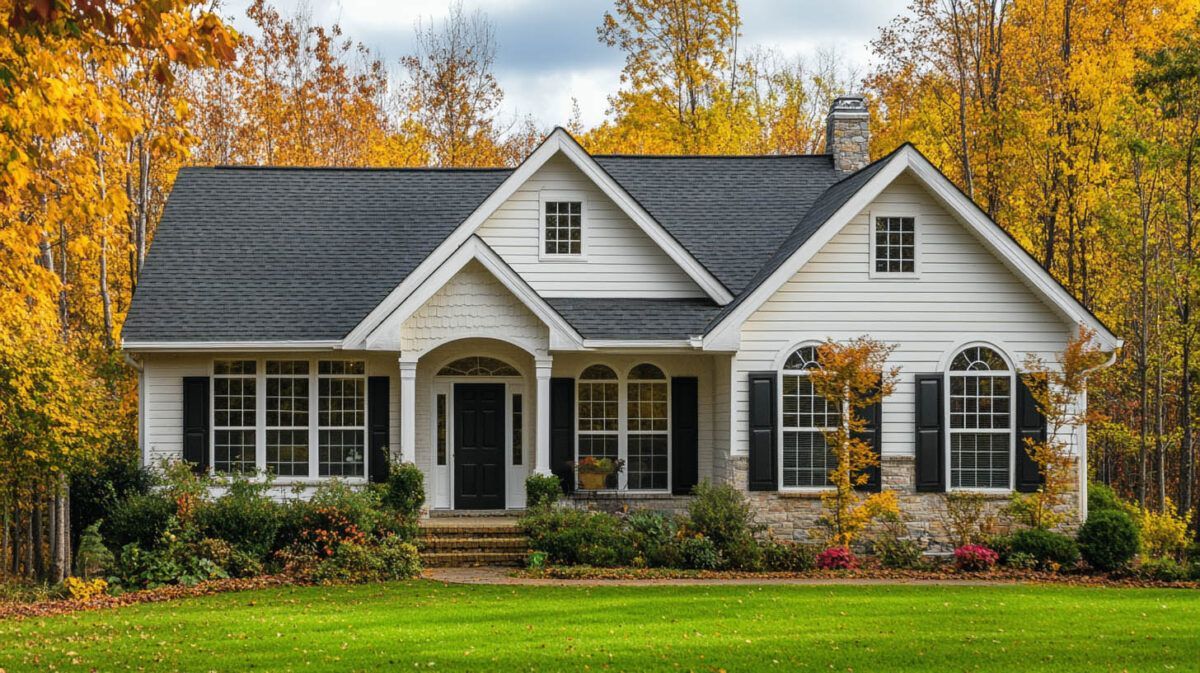
Installing new siding is one of the most effective ways to improve a home’s exterior while boosting its durability and energy efficiency. A home’s siding acts as both a protective shield against the elements and a defining feature of its visual appeal. Investing in high-quality siding enhances property value, reduces maintenance, and provides long-term energy savings.


Key Advantages of New Siding

1. Improved Energy Efficiency

Modern siding materials are designed with energy efficiency in mind, helping homeowners reduce heating and cooling costs.

  • Insulated Vinyl Siding – Features built-in foam insulation that reduces thermal bridging, improving a home’s overall insulation.
  • Fiber Cement Siding – Provides excellent thermal resistance, keeping indoor temperatures stable year-round.
  • Metal Siding – Reflects heat, making it an excellent option for homes in warmer climates.


According to the U.S. Department of Energy, proper insulation and energy-efficient siding can reduce heating and cooling costs by up to 15%.


2. Increased Home Value and Market Appeal

Homes with new siding are more attractive to buyers. Outdated, damaged, or faded siding can signal neglect and deter potential buyers.

  • A report by the National Association of Realtors found that exterior improvements, including siding replacement, yield an ROI of 75% or more.
  • Modern, well-maintained siding increases curb appeal, making a strong first impression.
  • Buyers prefer homes that require minimal maintenance, and new siding signals long-term reliability.


3. Enhanced Durability and Weather Protection

New siding provides superior protection against wind, rain, snow, and UV exposure.

  • Vinyl Siding – Resistant to moisture, rot, and pests, making it ideal for humid climates.
  • Fiber Cement Siding – Fire-resistant and highly durable against extreme weather.
  • Metal Siding – Protects against high winds, hail, and heavy rain.


Modern siding materials are engineered to withstand the elements for decades, reducing the likelihood of costly repairs.


4. Reduced Maintenance Requirements

Older siding materials, such as wood, require frequent repainting and sealing to maintain their appearance. Newer options offer low-maintenance solutions:

  • Vinyl and Fiber Cement Siding – Requires only occasional washing to maintain its look.
  • Metal Siding – Resists rust and fading, eliminating the need for frequent repainting.
  • Engineered Wood Siding – Offers the look of natural wood with added resistance to moisture and insects.


On average, homeowners can save hundreds of dollars annually in maintenance costs by upgrading to modern siding materials.


5. Customization and Aesthetic Transformation

New siding allows homeowners to completely transform their home’s exterior with a variety of colors, textures, and styles.

  • Smooth or Textured Finishes – Choose from woodgrain, stucco, or stone-like textures.
  • Bold or Neutral Color Palettes – Match existing architectural styles or create a fresh, modern look.
  • Mixed Material Designs – Combine materials like brick, stone veneer, and siding for a unique, high-end appearance.


6. Protection Against Mold, Rot, and Pests

Damaged or outdated siding can trap moisture, leading to mold growth, wood rot, and pest infestations. Modern siding materials feature moisture-resistant technology, reducing the risk of structural damage.

  • Fiber Cement and Metal Siding – Impervious to termites, carpenter ants, and rodents.
  • Vinyl Siding – Resists mold and mildew buildup with proper ventilation.


Replacing aging siding eliminates these risks, ensuring a healthier indoor environment and protecting the home’s structure.

Choosing the Best Siding Material for Your Home

Siding Type Durability Maintenance Cost Best For
Vinyl Siding 20-30 years Low $$ Budget-friendly and versatile
Fiber Cement 30-50 years Low $$$ Fire-resistant, highly durable
Metal Siding 40-70 years Low $$$ Extreme weather resistance
Engineered Wood 30+ years Medium $$$ Natural wood appearance
Brick Veneer 50+ years Low $$$$ Classic aesthetic, durable

Steps to Installing New Siding

1. Inspect the Existing Siding

  • Check for cracks, warping, and mold growth.
  • Assess whether the siding requires replacement or minor repairs.


2. Choose the Right Siding Material

  • Consider factors like climate, budget, and maintenance preferences.
  • Work with a contractor to find the best color and style for your home.


3. Remove Old Siding (If Necessary)

  • If existing siding is damaged, outdated, or trapping moisture, removal may be required.
  • Ensure the wall beneath is inspected for rot, leaks, or insulation gaps.


4. Install Insulation and Weather Barriers

  • Adding a moisture-resistant barrier enhances durability.
  • Insulated siding improves energy efficiency and soundproofing.


5. Install New Siding Panels

  • Secure panels using correct spacing and fastening methods to allow for expansion.
  • Ensure seams are properly sealed to prevent moisture intrusion.


6. Finish and Inspect

  • Apply caulking and trim for a polished look.
  • Perform a final inspection to ensure quality installation.


Our Commitment to Quality Siding Installation

At 180 Contractors Roofing & Siding, we specialize in premium siding installations that enhance both durability and curb appeal. Our expertise has earned us BBB A+ accreditation, Guildmaster recognition, and a place on the INC 5000 list. We partner with top industry brands like James Hardie, Alside, and Everlast, ensuring our customers in Rochester Hills, MI, receive the best materials available.


Frequently Asked Questions

1. How long does new siding last?

The lifespan depends on the material. Vinyl siding lasts 20-30 years, while fiber cement and metal siding can last 40-70 years with proper maintenance.


2. Does new siding increase home value?

Yes, siding replacement offers a high return on investment (ROI of 75% or more) by enhancing curb appeal and energy efficiency.


3. What is the best siding for energy efficiency?

Insulated vinyl siding and fiber cement siding provide excellent thermal protection, reducing energy bills.


4. How much does new siding cost?

Prices vary based on material choice and home size. Vinyl siding is the most affordable, while fiber cement and metal siding have higher upfront costs but longer lifespans.


5. Can I install new siding over existing siding?

In some cases, vinyl or fiber cement siding can be installed over old siding. However, if there are signs of moisture damage or rot, removal is recommended.


Conclusion

Investing in new siding enhances a home’s aesthetic appeal, energy efficiency, and durability. Choosing high-quality siding materials and working with experienced contractors ensures long-term protection and value. With advancements in siding technology, homeowners can achieve a stylish and low-maintenance exterior that withstands the elements for decades.


Read also our blog: Essential Maintenance Tips for Residential Siding

GET A FREE QUOTE

Share this article

Recent Posts

Aerial view of a large blue-gray house with dormer windows and a landscaped yard in autumn
By 180 Contractors May 14, 2026
Your roof works silently year after year, shielding your home from rain, wind, sun, and snow. But like every part of your home, it doesn’t last forever. The key is knowing when repair is no longer enough—and a full roof replacement is the smarter, safer move. For homeowners in Bloomfield Hills, MI, where intense season
Rainwater pouring from a house roof and gutter during a storm
By 180 Contractors April 13, 2026
Michigan weather can be tough on homes, especially when it comes to your roof. From heavy snow in the winter to strong thunderstorms in the summer, each season brings conditions that can wear down roofing materials over time. Knowing how these storms affect your roof can help you catch problems early and avoid more ser
Snow piled on a dark shingled roof, with scattered patches of snow across the surface.
By 180 Contractors March 3, 2026
If you’ve lived through a Michigan winter, you know your roof takes a beating. Between heavy snowfall, freezing rain, fluctuating temperatures, and strong winds, winter weather can quietly wear down even a well-built roofing system. By the time spring arrives, many homeowners are surprised to learn that damage has alre