
Is James Hardie Siding Effective Against Pests

180 Contractors • March 12, 2025
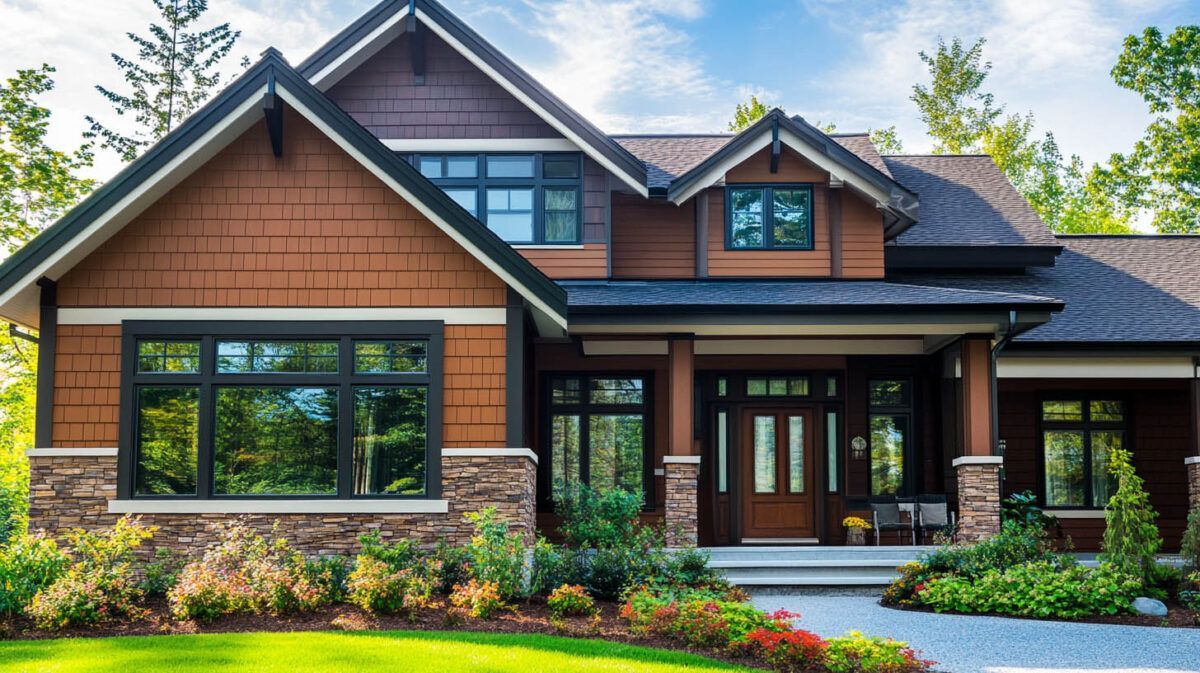
Modern suburban house with stone and wood facade, large windows, and a landscaped front yard

James Hardie siding is a popular choice for homeowners. It is known for being strong and protecting homes from bad weather. It also serves as a barrier against pests and complements your home’s gutters. But how well does it work? In this blog post, we will look at the pest-resistant features. We will compare it with other common materials, like wood and vinyl siding boards, and talk about the benefits and drawbacks of each. When considering siding options for your home, it’s important to also think about the expertise of the contractors installing it. At 180 Contractors Roofing & Siding in Rochester Hills, MI, we specialize in siding installation and can help you choose the best option for your home. Our partnership with top brands like James Hardie, Alside, and Everlast allows us to offer a wide range of high-quality options to protect your home from pests and other potential damages.


Understanding the Resilience of James Hardie Siding

James Hardie siding is made from fiber cement. This material combines cement, sand, and cellulose fibers. This special mix makes it very strong and able to resist problems that affect other siding types, including strong winds, rot, moisture damage, extreme heat, and pest infestation.


Homeowners often choose James Hardie because it is less welcoming to pests than wood or vinyl. However, we will compare these options later. First, let’s look at what makes this material so effective.

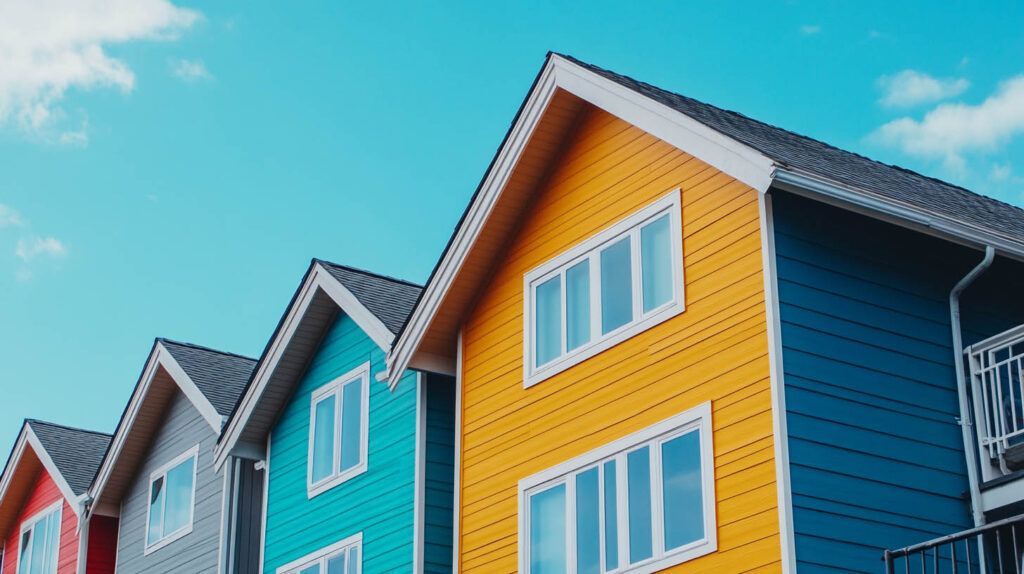
Colorful row of modern townhouses with gabled roofs under a bright blue sky

The Composition of James Hardie Fiber Cement Siding

What makes James Hardie fiber cement so strong? It is because of its special mix. This siding is mostly made from cement, which gives it a lot of strength and density. The cellulose fibers added in help to make it flexible and stop it from cracking. No one wants siding that break easily. This strong and flexible design makes James Hardie tough against damage. It can handle hits, warping, and even fire since it does not catch fire!


Why Durability Matters in Pest Resistance

Durability is very important for materials because it helps stop pest problems. Here’s why: When siding gets old, it can suffer from moisture damage, rot, or damage from pests. This makes it weak. Insects and other critters can take advantage of these weaknesses.


Durable siding, such as James Hardie fiber cement, is much better at resisting these problems. It stands strong against bad weather, keeps moisture from getting in, and does not offer a food source for pests like termites.

Small brown mouse standing on a stone surface, facing the camera.

Comparing Siding Options: James Hardie vs. Others

When picking siding material, it’s important to think about how well it can resist pests. Not every option is the same! Let’s look at James Hardie compared to other common choices like wood and vinyl. We will check how each one can be affected by pests. This will help you decide if switching to James Hardie is the right choice for you.


The Vulnerabilities of Wood and Vinyl Siding to Pests

Ah, wood siding. As a natural material, it has a classic look. But it also attracts pests, including carpenter bees. Carpenter ants and termites love it! Wood siding provides a meal and a home for them.


Vinyl siding is less appealing than wood. However, it has its own problems. The worst part? The installation may leave tiny gaps. These gaps let insects like wasps and hornets sneak in to build their nests. Neither wood nor vinyl siding keeps pests out as well as James Hardie fiber cement. Let’s find out why that is.

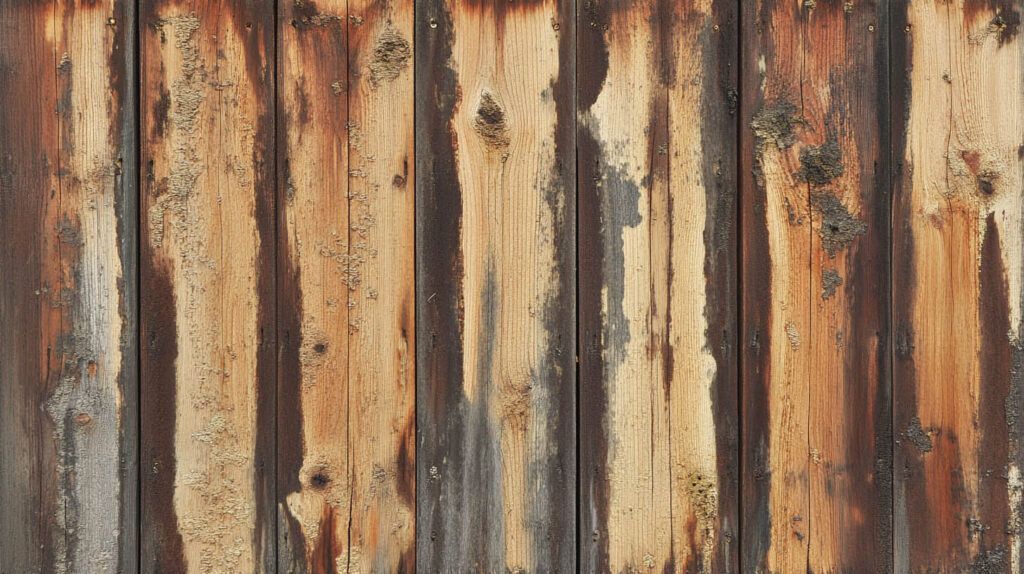
Weathered wooden planks with peeling white paint and rusty brown streaks

How James Hardie Siding Stands Apart in Pest Defense

We’ve talked about why wood and vinyl fail when it comes to resisting pests and pest damage. Now, let’s look at what makes Hardie siding special. First, it’s very tough. Those annoying termites that love to feast on wood? They avoid fiber cement! Carpenter ants can’t damage it either. It also resists moisture. This is important because many pests like damp places. By keeping the outside of your home dry, you make it less appealing to these unwanted visitors!


Connect With Us

In conclusion, James Hardie is a strong barrier against pests because it is made of tough fiber cement mixed with Portland cement, providing peace of mind. Unlike wood and vinyl sidings, which can be weak against pests, James Hardie siding is known for its strength. It gives your home strong and lasting protection. To ensure your home is durable and protected, choose James Hardie siding. Our award-winning company is BBB A+ accredited, Guildmaster (Guildquality), INC 5000, Google Guaranteed, and Qualified Remodeler top 100 satisfaction. For more details or to get quotes, contact our team for a solution made just for you.


Frequently Asked Questions

What is the best siding for pest control?

When you think about pest control, the strength of the siding material is very important to keep pests away. The James Hardie company makes strong products. That’s why many homeowners choose it.


Is a Hardie board rodent proof?

Hardie board siding is not completely rodent-proof. However, its strong and tough nature can help keep pests away. You can take steps to protect your home, like sealing any gaps and using the right insulation. This will help reduce the chance of pests getting in.


Know more about Siding Repair without full replacement.

Hands sketching a design on paper with a yellow pencil at a desk

Connect With Us

When considering replacement, it’s vital to balance cost with quality. Opt for the cheapest siding options like vinyl or fiber cement siding for durability and aesthetic appeal. These materials require minimal maintenance and come in a variety of colors to suit your style. Make a smart investment in your home’s exterior by selecting the right material and installation approach. Our company is proud to have received various awards and recognitions, including being BBB A+ accredited, Guildmaster (Guildquality), INC 5000, Google Guaranteed, and recognized as one of Qualified Remodeler’s top 100 satisfaction providers.


Frequently Asked Questions

What is the cheapest way to get new siding?

Vinyl siding is the cheapest siding choice out there. You can easily find affordable siding options at places like Home Depot. Other materials, such as fiber cement, last longer, but vinyl siding is a great way to quickly improve your home’s exterior without spending too much money.


What is the best replacement of siding on a house?

When considering siding replacement, popular options like vinyl, fiber cement, and resins offer durability and affordability. Evaluate your needs based on weather conditions and maintenance preferences to choose the best material for your home.


Can I replace siding with something else?

Absolutely! When you replace your siding, you can look at different materials. Instead of just the usual options, think about using stucco, metal, or engineered wood siding. These can give your home a fresh and stylish new look.


Learn more about the benefits of new siding.

GET A FREE QUOTE

Share this article

Recent Posts

Aerial view of a large blue-gray house with dormer windows and a landscaped yard in autumn
By 180 Contractors May 14, 2026
Your roof works silently year after year, shielding your home from rain, wind, sun, and snow. But like every part of your home, it doesn’t last forever. The key is knowing when repair is no longer enough—and a full roof replacement is the smarter, safer move. For homeowners in Bloomfield Hills, MI, where intense season
Rainwater pouring from a house roof and gutter during a storm
By 180 Contractors April 13, 2026
Michigan weather can be tough on homes, especially when it comes to your roof. From heavy snow in the winter to strong thunderstorms in the summer, each season brings conditions that can wear down roofing materials over time. Knowing how these storms affect your roof can help you catch problems early and avoid more ser
Snow piled on a dark shingled roof, with scattered patches of snow across the surface.
By 180 Contractors March 3, 2026
If you’ve lived through a Michigan winter, you know your roof takes a beating. Between heavy snowfall, freezing rain, fluctuating temperatures, and strong winds, winter weather can quietly wear down even a well-built roofing system. By the time spring arrives, many homeowners are surprised to learn that damage has alre