

How Winter Weather Impacts Your Siding and What to Do

180 Contractors • February 19, 2025
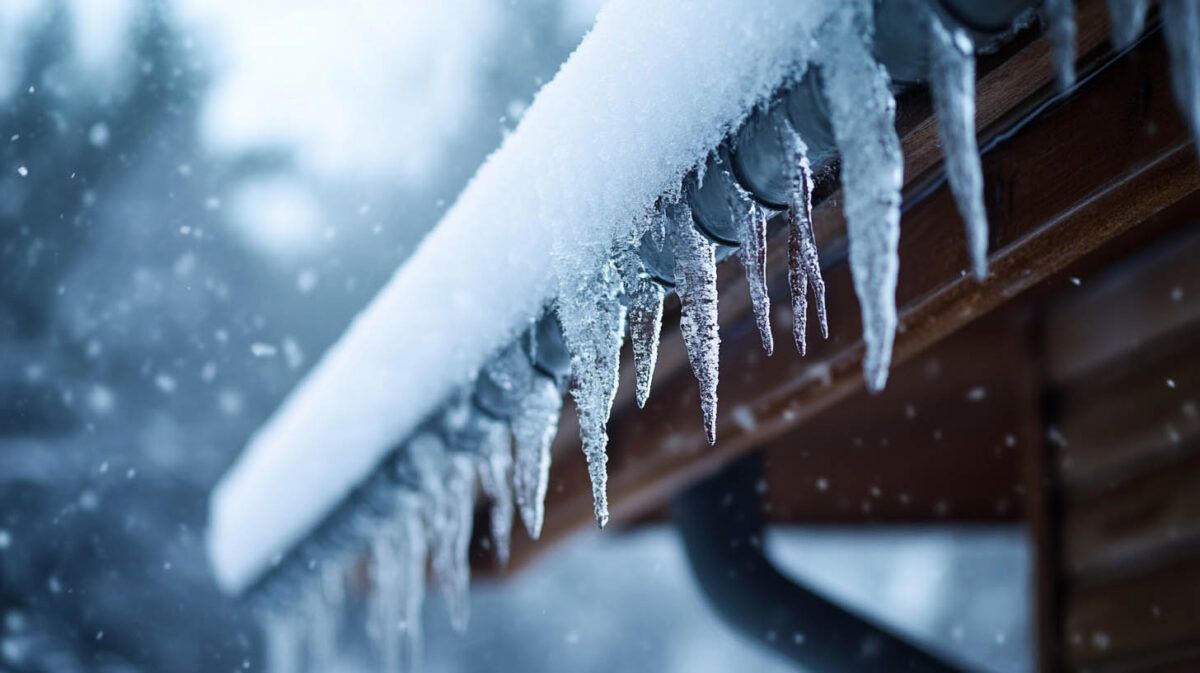
Icicles hanging from a snow-covered roof edge with falling snow in a blurred winter scene

As winter comes, you need to prepare your home for the cold weather. One important part to focus on is your home’s siding. It protects your house from snow and ice. Winter weather can really affect different types of siding. Vinyl siding, for instance, is a popular choice but it can have issues too. Knowing these possible problems and taking proactive steps now can help keep your home safe and looking good. If you’re looking for professional services in Rochester Hills, MI, consider hiring our company. Visit our website at 180 Contractors Roofing & Siding to learn more about how we can help protect and improve your home.


The Risks Winter Weather

When winter comes, your home’s outside gets hit with tough weather. Snow, ice, freezing temperatures, and strong winds can damage your siding. This can cause many problems that reduce its effectiveness. If you don’t take care of it, your siding could get worse. This can lead to costly repairs and reduce how good your home looks.


How Snow and Ice Affect Siding Durability

Snow and ice can significantly impact your siding’s durability. Temperature fluctuations and heavy snow can lead to structural damage, moisture issues, and costly repairs like ice dam formation. Proper insulation and choosing the right materials are crucial in preventing these problems. American Way Exteriors prioritizes these factors in installation to combat winter challenges effectively. Regular inspections and maintenance are key in preserving your siding throughout the winter season.

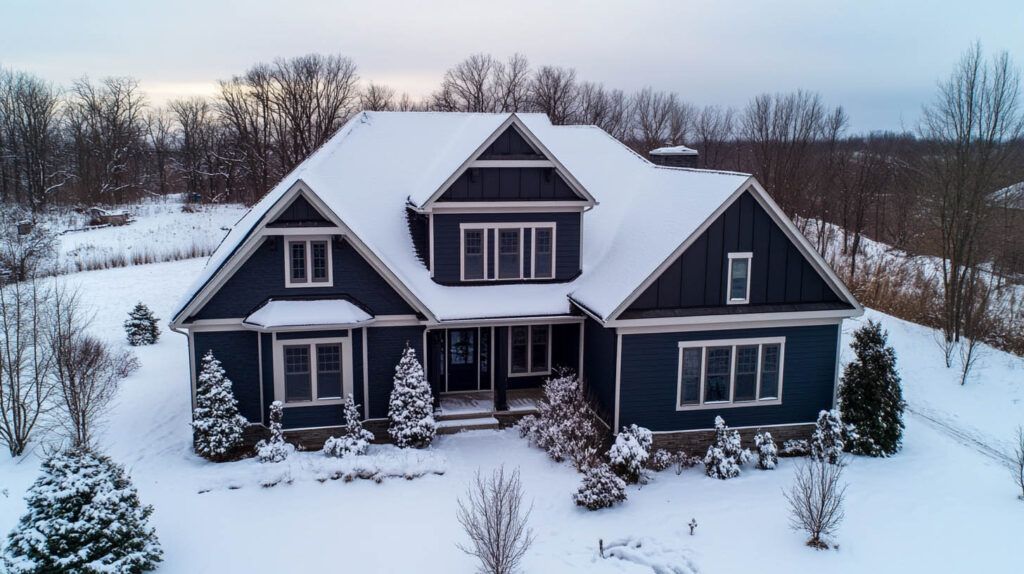
Snow-covered dark gray house with white trim in a winter landscape

Proactive Measures

Protecting your siding from winter weather is key. To keep it safe, you need to plan ahead. Taking steps now can help lower risks and make your home last longer. One of the best things to do is set up a professional inspection before winter starts.

A good contractor can find any current problems and suggest repairs or maintenance. Fixing these issues early can help you avoid bigger and more expensive damage later on.


The Right Materials

Michigan winters demand durable materials that can withstand harsh conditions. Opt for materials resistant to moisture and temperature fluctuations, like vinyl or fiber cement, ensuring the integrity of your siding. Consider American Way Exteriors for outstanding service and top-quality installation. In partnership with top brands like James Hardie, Alside, and Everlast, we offer a wide range of options to protect your home from winter weather. Prevent costly repairs by choosing materials that can combat ice dam formation and potential damage from severe weather.


Essential Winter Maintenance Tips

Inspect your siding regularly for any signs of damage such as cracks or warping caused by temperature fluctuations. Trim nearby trees to prevent branches from causing scratches or dents on your siding during winter storms. Keep gutters clean to avoid ice dam formation and potential structural damage. Upgrade to durable materials like vinyl or wood to withstand harsh winter conditions. Address any issues promptly to prevent costly repairs and maintain the integrity of your home’s exterior.

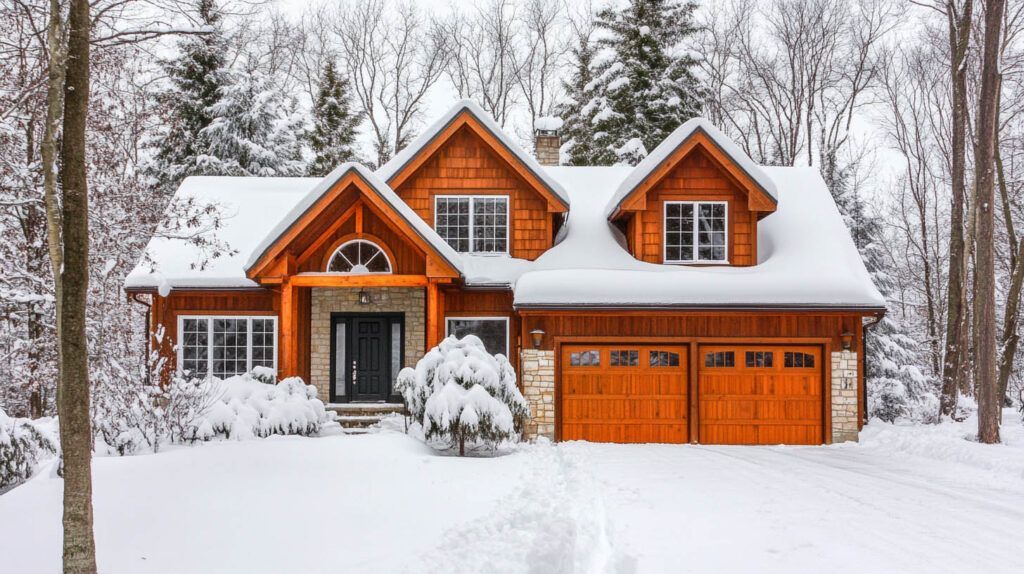
Snow-covered orange log cabin with lit windows and garage in a winter forest

Connect With Us

As winter arrives, it is important to know how it affects your siding. Snow and ice can cause potential damage. Сhoose strong materials and follow useful maintenance tips. Prevention is the best way to keep your home safe. If you see signs of winter damage, act quickly to avoid costly repairs. Stay prepared for bad weather by taking care of your siding now. For quotes on siding replacement or repair, contact us for expert help and support. We are proud to be BBB A+ accredited, Guildmaster (Guildquality) award winners, INC 5000 honorees, Google Guaranteed, and recognized as a Qualified Remodeler top 100 satisfaction provider.


Frequently Asked Questions

Is it OK to replace siding in the winter?

Homeowners usually like to replace siding in spring or fall. However, new siding installation techniques now make it possible to do this in winter too. Skilled installers take steps to reduce cold air exposure. They use weather-resistant barriers and work in smaller areas to make the job easier.


How cold is too cold for siding?

Vinyl siding can become stiff in very cold weather. This makes it easier to get dents or cracks if it gets hit. While it might not break, it’s best to avoid putting extra force or pressure on the siding during really cold times.


At what temperature does vinyl siding crack?

Freezing temperatures usually don’t break vinyl siding by themselves. However, things like snow, icicles, or other items can hurt the siding if it gets too stiff in very cold weather. To avoid this issue, make sure to keep the siding free of heavy snow.


Learn about the cost of attaching a separate piece of siding.

GET A FREE QUOTE

Share this article

Recent Posts

Aerial view of a large blue-gray house with dormer windows and a landscaped yard in autumn
By 180 Contractors May 14, 2026
Your roof works silently year after year, shielding your home from rain, wind, sun, and snow. But like every part of your home, it doesn’t last forever. The key is knowing when repair is no longer enough—and a full roof replacement is the smarter, safer move. For homeowners in Bloomfield Hills, MI, where intense season
Rainwater pouring from a house roof and gutter during a storm
By 180 Contractors April 13, 2026
Michigan weather can be tough on homes, especially when it comes to your roof. From heavy snow in the winter to strong thunderstorms in the summer, each season brings conditions that can wear down roofing materials over time. Knowing how these storms affect your roof can help you catch problems early and avoid more ser
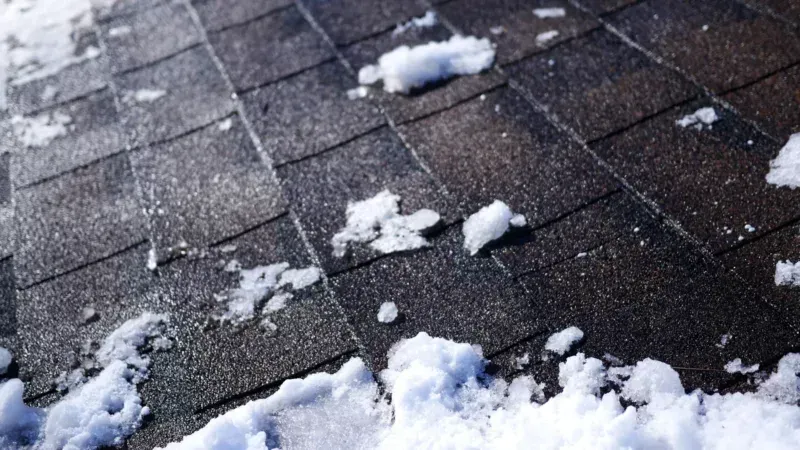
Snow piled on a dark shingled roof, with scattered patches of snow across the surface.
By 180 Contractors March 3, 2026
If you’ve lived through a Michigan winter, you know your roof takes a beating. Between heavy snowfall, freezing rain, fluctuating temperatures, and strong winds, winter weather can quietly wear down even a well-built roofing system. By the time spring arrives, many homeowners are surprised to learn that damage has alre