How To Inspect your Own Roof
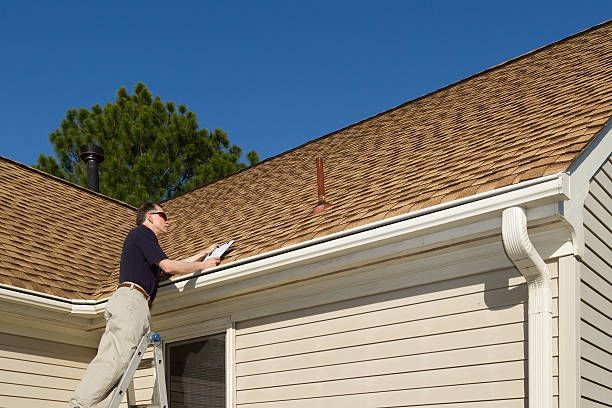
Inspecting a roof is an integral part of home maintenance. As a homeowner, how to properly inspect your roof is the crucial guidance you need to follow.
Whenever there comes water damage or leakages in the home, the reason is commonly the leaky roofs. The schedule for inspecting a roof must be performed twice a year or more than it according to the frequency of storms or any other environmental damage. The most crucial time of the year is the fall before the winter season sets in. Because new roof installations or new shingles, if replaced, can’t seal down during the cold, the process of inspecting a roof has to be performed quite early.
Seven steps to learn how to inspect your roof
1. Analytically walk around the house
Go outside the home and walk around the exterior for inspecting the roof from the base level. Standing on the ground, you would be better able to check the signs of sagging, damage, water stains, or anything. You may notice the areas coupled with piles of leaves, moss, or algae, which are the prominent cause of costly leaks.
Keep on writing down all susceptible things you notice.
2. Take note of shingles and attics
While you walk around for inspecting a roof, keep an eye on curled or buckled shingles. Check if anything is missing, aged, or damaged. If you don’t skip any part of the roof to look upon, you would easily find the minor issues before following the severe damage.
The problem with shingles not only affects the look of your house but can also lead to deteriorated damage caused by direct exposure to weather.
Additionally, inspect the air from attics. If it is too hot, it can put your roof and home at risk. You can examine the signs of water penetration under the top, which will signify the issues with the attic. These two problems can leave you at costly repairs during bad weather and the times when you have poor roof ventilation.
3. Clean all the gutters and roof overhangs
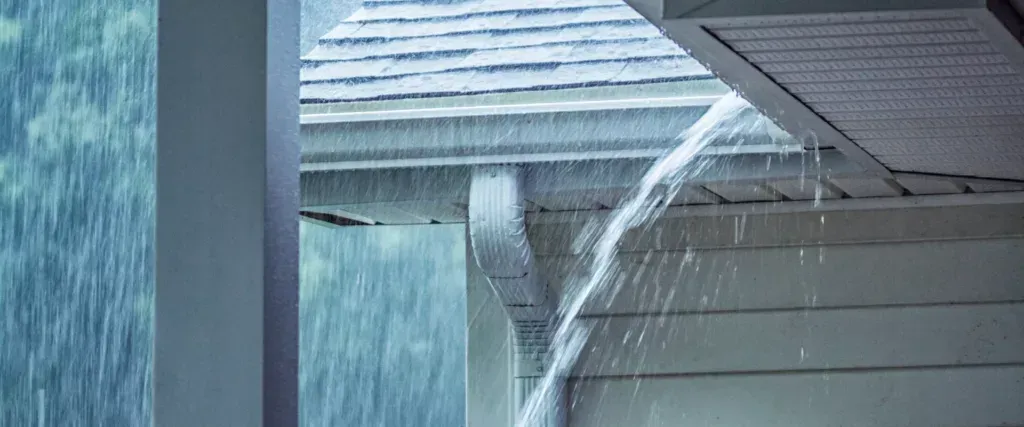
Cleaning the gutters and roof overhangs is as important as repairing the water leakage. Maintaining downspouts is an integral part of inspecting a roof. It is the essential task for cleanliness and good hygiene. Keep an account of open joins and rot signs, which are the indicators of significant problems.
4. Check any granule lose
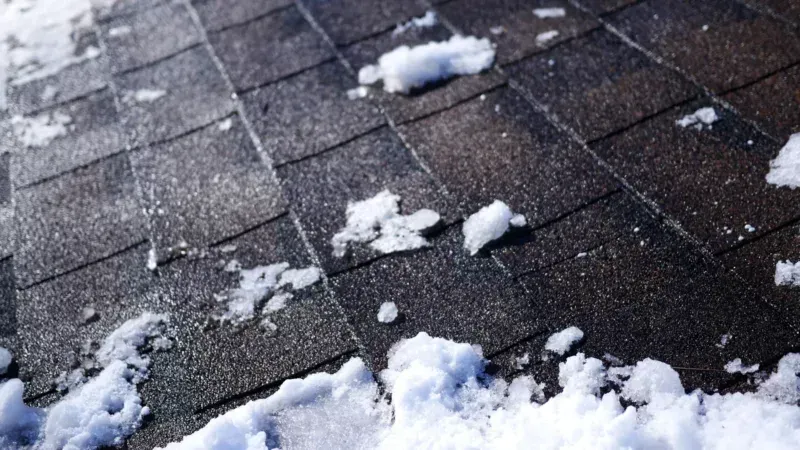
Granule is the texture of shingles. It is the grace of your roof. However, when severe weather affects it or shingles have aged, there can be granule loss. The best way is to replace them.
5. Update the replacement of skylights
While inspecting a roof, don’t forget to check the duration of skylights and see if they need replacement. You can expect a typical skylight to go for around 18 to 22 years. If it is around the period, don’t take it lightly because it is working fine today. It is an easy process if done during the entire roof repairing or replacing.
After understanding how to inspect your roof, now you can go and follow the step-by-step procedure.
View some of our newly completed and surveyed customer feedback including some roof replacement projects.