In the evolving landscape of property maintenance and inspection, the integration of drone technology has marked a transformative era in roofing assessments. This advanced approach transcends the limitations of traditional methods, offering unparalleled precision, safety, and efficiency. This article delves into the multifaceted advantages of drone-powered roof inspections, underscoring their significance in modern roofing practices.
Revolutionizing Drone Roof Inspections
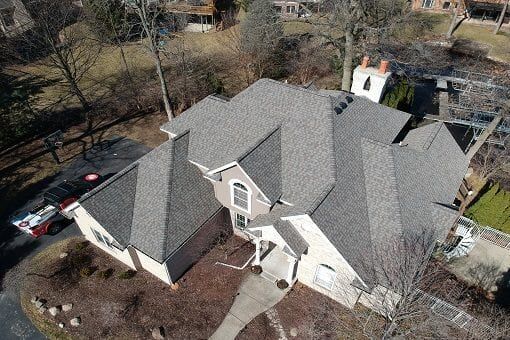
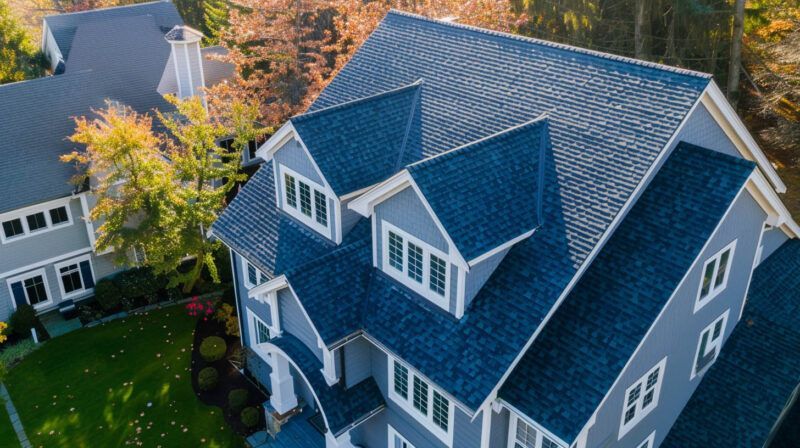
The advent of drone technology in roof inspections represents a significant leap towards innovation and efficiency. By harnessing the capabilities of drones equipped with high-resolution cameras and advanced imaging technologies, roofing professionals can now conduct thorough and accurate assessments of roof conditions from the safety of the ground. This section explores the core aspects of drone roof inspections, highlighting their operational excellence and the profound impact they have on the roofing industry.
Unmatched Precision and Detail
Drone roof inspections offer an unprecedented level of accuracy and detail, far surpassing the capabilities of manual inspections. The accuracy of aerial imaging enables the detection of the minutest flaws and weaknesses, guaranteeing a thorough evaluation of the roof’s state. This meticulous approach to inspections facilitates early detection of potential issues, preventing minor problems from escalating into major repairs.
Enhanced Safety for Inspectors
The traditional method of roof inspections often involves significant risks, with inspectors required to navigate steep, high, or otherwise hazardous surfaces. Drone technology negates the necessity for direct contact with the roof, markedly diminishing the likelihood of accidents and injuries. This progress not only safeguards the well-being of inspectors but also preserves the roof’s structural integrity against possible harm throughout the inspection procedure.
Cost and Time Efficiency
Drone inspections are remarkably efficient, both in terms of time and cost. The rapid data collection capabilities of drones expedite the inspection process, allowing for swift assessments that minimize downtime for property owners. Additionally, the reduced need for manual labor and the elimination of specialized equipment for accessing roofs translate into significant cost savings. This efficiency makes drone inspections an attractive option for both residential and commercial property owners.
Comprehensive Reporting and Analysis
The data collected during drone roof inspections is processed and analyzed to produce detailed reports, offering an in-depth view of the roof’s condition. These reports include high-resolution images, videos, and precise measurements, providing property owners with the information needed to make informed decisions about maintenance and repairs. The comprehensive nature of these reports ensures transparency and facilitates effective communication between roofing professionals and their clients.
The Operational Workflow of Drone Roof Inspections
The effectiveness of drone roof inspections lies in a well-structured operational workflow, from pre-flight preparations to post-inspection analysis. This section outlines the steps involved in conducting a drone roof inspection, emphasizing the meticulous planning and execution required to achieve optimal results.
Pre-Flight Preparations and Flight Path Planning
Successful drone inspections begin with thorough pre-flight preparations, including battery checks, connectivity tests, and camera calibrations. Roofing professionals also plan the drone’s flight path carefully, ensuring comprehensive coverage of the roof area. This preparatory stage is crucial for maximizing the efficiency and effectiveness of the inspection.
Real-Time Data Capture
As the drone navigates the predetermined flight path, it captures high-resolution images and videos of the roof. This real-time data collection provides a detailed overview of the roof’s condition, allowing inspectors to identify issues that may not be visible from the ground. The ability to capture data from various angles and perspectives enhances the thoroughness of the inspection.
Detailed Analysis and Reporting
Following the data capture phase, the collected information is processed and analyzed to identify any signs of damage, wear, or other concerns. Roofing professionals use specialized software to interpret the data, generating comprehensive reports that highlight the condition of the roof. These reports serve as a valuable tool for property owners, enabling them to understand the specific needs of their roof and plan accordingly.
Expanding the Reach: Industries Benefiting from Drone Inspections
The versatility of drone technology extends its benefits beyond residential roofing, impacting various industries that require accurate and efficient roof inspections. Commercial properties, insurance companies, and the construction and real estate sectors all stand to gain from the adoption of drone inspections. This technology offers a scalable solution that can accommodate the unique challenges and requirements of different industries, providing a universal tool for roof assessment and maintenance.
Conclusion
The integration of drone technology in roof inspections represents a significant advancement in the roofing industry, offering a blend of precision, safety, and efficiency that traditional methods cannot match. As pioneers in this field, 180 Contractors Roofing and Siding leverages drone technology to provide superior roofing services, setting a new standard for quality and reliability. Through the adoption of drone inspections, we are committed to delivering the highest level of service to our clients, ensuring the longevity and integrity of their roofs with cutting-edge solutions.