Components that make up a residential roof
Roofing is the most critical aspect of construction. When the selected roof components are added together, they make up the well-oiled machine to run your house as a new vehicle.
The
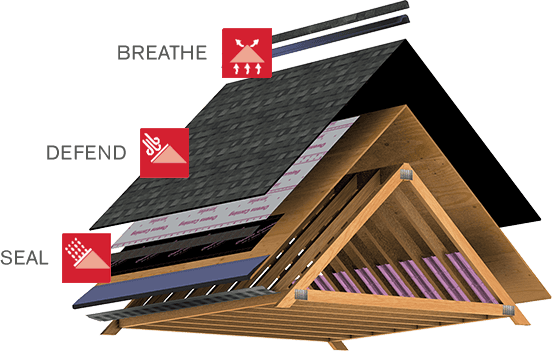
residential roof parts play a pivotal role in delivering superior weather protection to your home and make it a stable structure. Not only do shingles make up an entire roof, but there are also many other components to ensure a complete roof system.
If you are looking to install a new roof or replace the existing one, you should know about all roof components contributing to making the most of your investment.
Nine roof components completing a roofing system
1. Roof deck
The roof deck is the base layer among all residential roof parts. Generally, construction-grade plywood, synthetic material, or Asphalt saturated felt are used for this layer. The roof deck is one of the most critical roof components to protect a home. It is the water-shedding secondary layer that comes between the roof deck and shingles to prevent the rainwater from entering any other layer or inside the house.
2. Underlayment
Underlayment is the second protective layer among residential roof parts. It covers any exposed roof decking parts. Rubber membrane or felt paper is recommended for the underlayment to ensure the roof deck’s longevity. The more durable the underlayment, the longer the life of the roof deck would be.
3. Leak Barrier
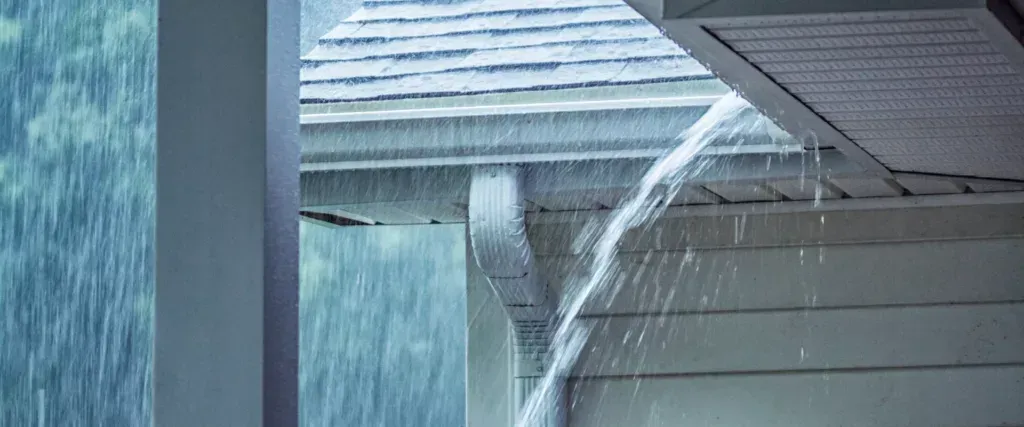
Leak barriers keep the rainwater away from other residential roof parts to lessen the repairing costs. It can be along the eaves, gutters, around the chimney, vents, skylights, or any other area around the roof’s edge, which are usually vulnerable to leakages. Leak barriers are crucial of all roof components to keep your home dry and damaged free and lowering long-term maintenance costs that you may spend on repairing frequently.
4. Start strips
Don’t forget to add start strips while bringing roof components for wind resistance.
Start strips also nearly function like leak barriers. You can get them installed at all the edges of your roofline to avoid any penetration caused by wind and water under the shingles.
5. Shingles
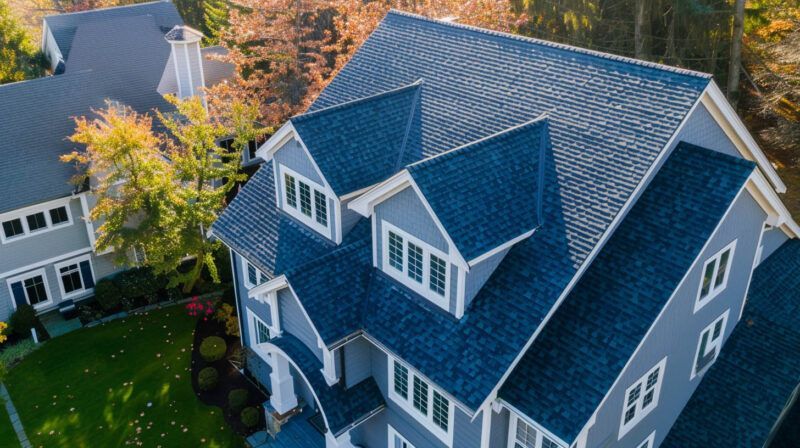
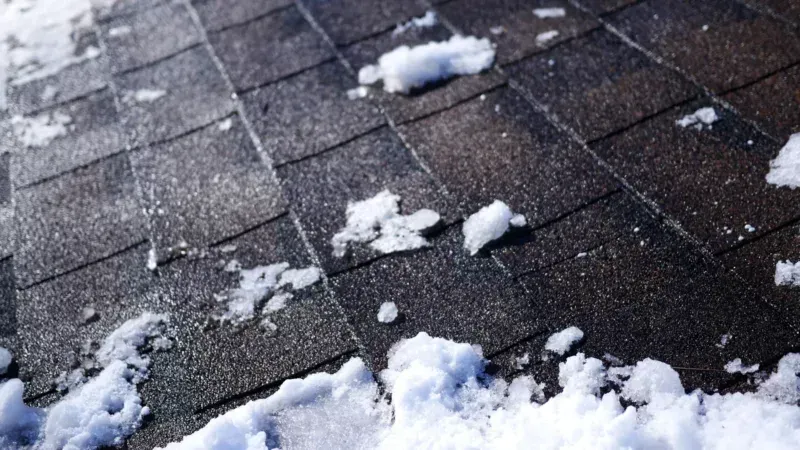
Singles come into the outer roof components, which play the role of the visible residential roof parts to enhance the appearance of your home. They are visible components that come in different materials, thicknesses, colors, textures, and designs. They not only make the best of the aesthetically appealing house but also protect your home from climatic conditions like heavy rainfall and strong winds.
6. Flashing
Flashing is also the alternative to leaking barriers to install around the chimney and water pipes where water is more vulnerable to leak through your roof.
7. Ventilation
Ventilation also comes under residential roof parts to maintain the excessive heat building up in your attic. It helps to keep houses thermally comfortable. It should be in perfect shape.
8. Shingle cap
Shingle caps are also part of roof components that enhance outer appearance. They cover the roof’s peak area.
Most residential roof parts are focused on low maintenance costs and increased safety if they are chosen perfectly.
View our recently completed and
surveyed customer feedback including some gable roof replacement projects.