How to Detect and Address Rotted Roof Decking Before It’s Too Late
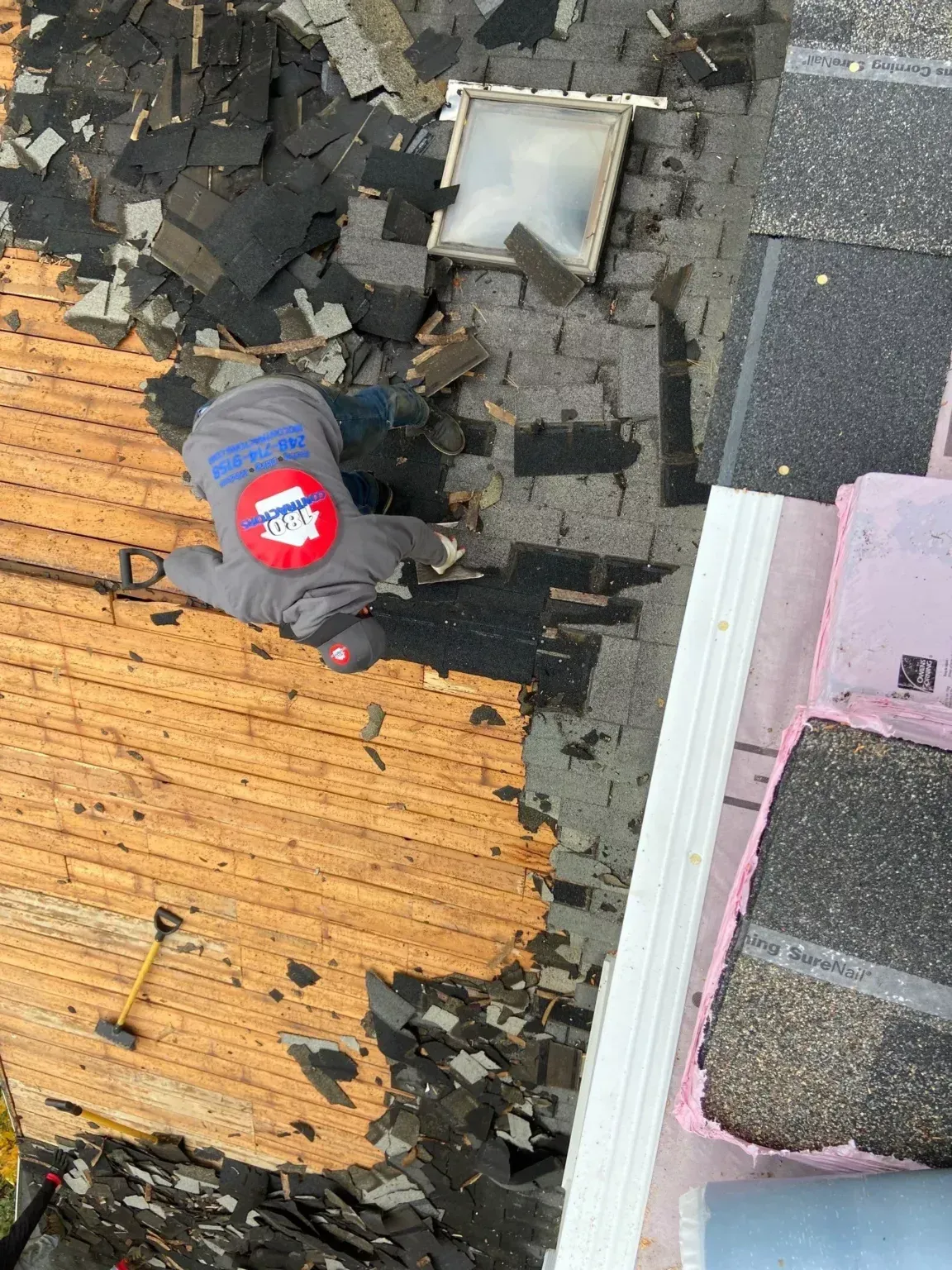
A well-maintained roof deck is crucial for the structural integrity of any building, as it supports the roof covering and protects the home’s interior from potential water damage and mold. When rot begins to spread within the decking, the entire structure’s stability may be at risk. Understanding the warning signs of rotted roof decking, the factors that contribute to its decay, and the steps to address it can save homeowners from costly repairs and even replacement.
Understanding Roof Decking and Its Role in Structural Integrity
The roof decking, typically made of plywood or oriented strand board (OSB), lies beneath shingles or other roofing materials, forming the essential support system for the entire roof structure. It provides a solid surface for roofing material attachment and plays a critical role in holding up the roof’s load and insulation. However, when exposed to moisture over time, wood decking becomes vulnerable to rot, weakening the roof’s structure and posing a risk to the home’s interior.
Causes of Rotted Roof Decking
1. Prolonged Exposure to Moisture
Water is the leading cause of roof decking rot. Roof leaks, inadequate ventilation, and poorly managed drainage can all lead to prolonged moisture exposure. When water sits in roof layers without evaporating, it promotes rot in the decking material, particularly if shingles are damaged or improperly installed.
2. Inadequate Ventilation
Ventilation is essential for a roof’s health. Without sufficient airflow, moisture trapped in the attic or roof space can’t escape, raising the risk of condensation. In poorly ventilated attics, condensation often accumulates on the roof decking, creating ideal conditions for rot.
3. Damage to Roofing Materials
Cracked shingles, damaged flashing, or loose roof tiles allow water to seep through and reach the decking. Even small gaps or fractures in the roof surface can become points of entry for moisture, which gradually deteriorates the underlying wood.
Key Signs of Rotted Roof Decking
1. Sagging Roof Areas
A sagging roof is a significant indication that the decking may have lost its structural integrity. When decking wood rots, it can no longer bear the load effectively, causing portions of the roof to sag or dip. This symptom often requires urgent attention.
2. Visible Water Stains or Dark Spots
If water stains or dark patches appear on the ceiling or within the attic, it may indicate moisture penetration. Such staining often signifies that the water has seeped past the roofing material and is affecting the decking.
3. Unpleasant Odors and Mold Growth
Rotted wood often emits a musty smell. In cases where decking rot has led to mold growth, the odor becomes even more pronounced. Mold typically thrives in damp conditions, so its presence near or on the roof decking is a strong signal of water-related damage.
4. Crumbling or Splintering Decking
In severe cases, rotted wood becomes brittle, splinters, or crumbles upon contact. A thorough inspection from the attic or during shingle replacement may reveal these signs of advanced decay, indicating that a section or even the entire decking may require replacement.
5. Spongy or Softened Areas in the Roof Surface
During a roof inspection, walking on the decking may reveal soft or spongy areas. This texture change suggests that the wood fibers have weakened, usually due to prolonged exposure to water and resulting rot.
Inspection Methods to Confirm Rotted Decking
1. Visual Roof and Attic Inspection
A visual inspection of both the attic and exterior roof provides insight into potential damage. Look for signs like sagging rooflines, missing shingles, or gaps between shingles that could allow moisture penetration. Additionally, inspect attic insulation for any dampness, as it may indicate water seeping through the decking.
2. Moisture Meter Testing
Using a moisture meter is a more precise way to detect rot. These tools measure the moisture content in wood. High readings often mean that the decking has retained moisture, which can indicate decay. Testing in various areas will help pinpoint specific sections that may need attention.
3. Tapping Test for Structural Integrity
A simple tapping test can help gauge the health of the decking. By gently tapping on the wood, you can listen for any hollow sounds, which often suggest voids or rot within the structure. Strong, sturdy decking will produce a solid sound when tapped, while rotted sections will sound softer or hollow.
Repair Options for Rotted Roof Decking
1. Partial Decking Replacement
When the rot affects only a limited section, partial replacement is a feasible solution. This process involves removing damaged areas and replacing them with new, treated wood panels. It can restore the roof’s structural integrity while keeping costs lower than a full decking replacement.
2. Full Decking Replacement
If rot has spread extensively, a full replacement may be necessary. A comprehensive replacement allows for the installation of modern decking materials that offer improved moisture resistance and strength, ensuring better durability and protection for years to come.
3. Reinforcement with Waterproofing Materials
Adding waterproofing layers can reinforce both new and existing decking. Materials like underlayment and water barriers create a moisture-resistant layer beneath the shingles, reducing the risk of water seeping into the decking.
Preventive Measures to Protect Roof Decking
1. Routine Roof Inspections
Regular inspections allow you to catch minor issues before they lead to significant damage. Scheduling inspections at least twice a year, particularly after harsh weather, helps identify potential leaks, damaged shingles, or drainage issues before they compromise the decking.
2. Ensure Proper Attic Ventilation
An effective ventilation system minimizes condensation buildup and prevents moisture accumulation on the roof decking. Roof vents, soffit vents, and attic fans help circulate air, reducing humidity levels that can lead to rot.
3. Install Quality Roofing Materials
High-quality shingles and flashing provide better durability and resilience against environmental stressors. Roofing materials with advanced waterproofing features and longer lifespans protect decking from water penetration, reducing the risk of rot.
4. Gutter Maintenance
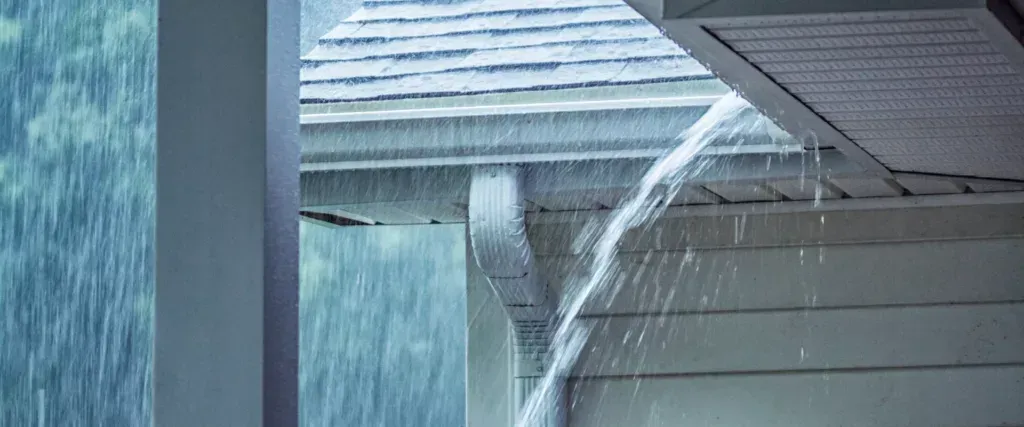
Clogged or damaged gutters can lead to water overflow, which may seep under roofing materials and into the decking. Cleaning gutters regularly ensures proper water flow, protecting the roof and decking from excess moisture.
5. Invest in Professional Roofing Services
Professional roofers can perform thorough inspections and make necessary repairs to prevent long-term issues. Companies like 180 Contractors Roofing and Siding, based in Waterford, MI, offer comprehensive roofing solutions that include repair, inspection, and maintenance, safeguarding homes from structural damage and extending the roof’s lifespan.
The Long-Term Risks of Ignoring Rotted Decking
Ignoring the signs of rotted decking can have severe consequences for a home’s structural health and safety. As rot weakens the wood, the risk of a roof collapse increases, especially under the weight of heavy snowfall or high winds. Moreover, rotted decking can contribute to poor insulation, driving up energy costs, and potentially leading to indoor mold growth that compromises air quality. Proactively addressing decking rot protects the home’s occupants, reduces energy expenses, and preserves the home’s resale value.
Conclusion
Roof decking serves as the backbone of the entire roofing system, and keeping it in sound condition is essential to maintaining the structural integrity of the home. Through regular inspections, quality materials, and timely repairs, homeowners can prevent the onset of rot and the costly damage it can cause. Identifying the signs of rotted decking and acting swiftly is vital to preserving the safety, appearance, and value of the property. By partnering with professional roofing services, homeowners ensure that their roofs remain in peak condition, providing peace of mind and a sound investment for the future.
GET A FREE QUOTE
We will get back to you as soon as possible.
Please try again later.
Recent Posts